General Guan Linzheng
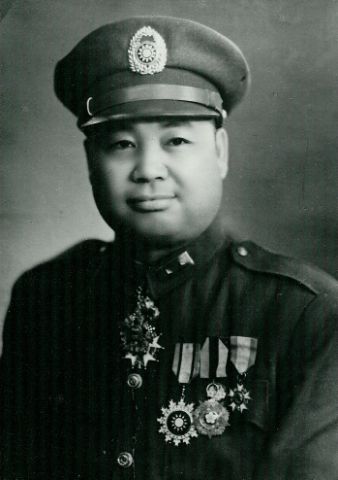
1905 - 1980
Chapter 1: A Son of the Qin Plains
(1905–1923)
Guan Linzheng’s life began on the fertile plains of central Shaanxi, deep within the loess lands of Guanzhong.
He was born on April 18, 1905, in Zhenhuagui Village, Huxian County,into a modest farming family rooted in the tradition of learning and integrity. His father, Guan Shuming, was reserved and resolute, while his mother, of the Yang family, was gentle and virtuous.
In a time of profound upheaval, as the Qing dynasty gave way to the Republic, the values of his family quietly shaped his character: simplicity, honesty, and an unyielding sense of righteousness.
As a boy, Guan Linzheng received his early education in the village before enrolling in Cangxi Primary School at the age of nine.
He was not a quiet, studious child. Instead, he possessed a strong sense of justice and a defiant spirit. He stood up for others, resisted authority, and refused to yield even under punishment.
This stubborn resilience—so characteristic of the northwest— would later become the iron will that defined him on the battlefield.
A Prophecy of Destiny
Upon graduating from primary school, Guan Linzheng showed remarkable talent in writing and ranked at the top of his class.
Yet his disregard for rigid rules led the headmaster to lower his final ranking. Reflecting on the young boy, the headmaster remarked to his father:
“If guided well, this child will one day defend the nation,like Yang Liulang (a renowned general in ancient China). ”
What was meant as a passing comment would later prove to be a striking prophecy of his life’s path.
After entering the Shaanxi Provincial Third Middle School, family hardship forced Guan Linzheng to leave his studies behind.
Burdened by debt, he found himself wandering the streets of Xi’an, his ambitions strong but his path uncertain.
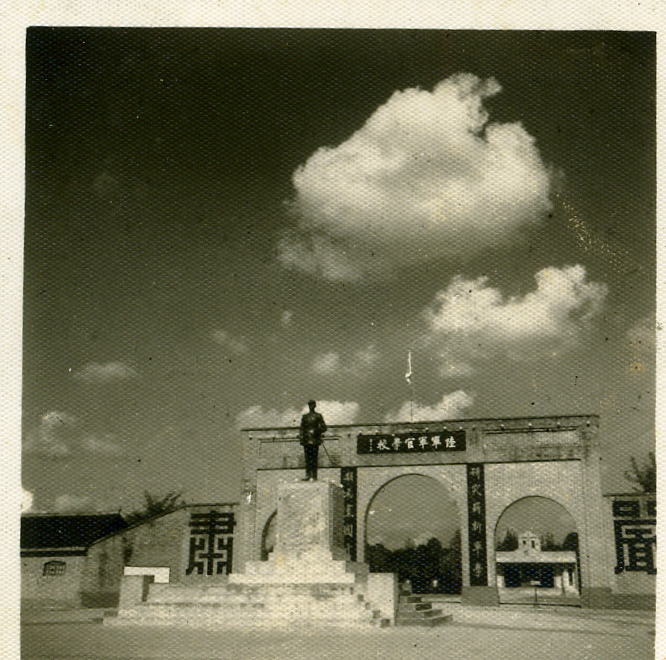
Often, he stood before the wall of a military academy, gazing at the word “奮鬥" (Strive).
In those moments, he came to a quiet realization: in an age when the nation stood fractured and vulnerable, only through military service could he hope to shape his future, and serve his country.
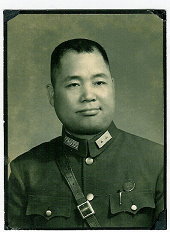
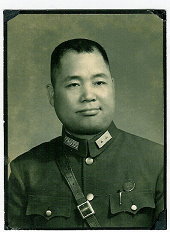
Chapter 2 : A Turning Point at Whampoa
(1924–1925)
In early 1924, a chance opportunity changed the course of Guan Linzheng’s life.
A friend informed him that Whampoa Military Academy was being established in Guangzhou under Sun Yat-sen, with recruitment quietly taking place in Shanghai through Yu Youren.
In an instant, uncertainty gave way to purpose.
The Weight of Twenty-Five Silver Dollars
To fund his journey, Guan Linzheng’s father made a painful decision— selling the family’s only ox.
The twenty-five silver dollars he received were more than travel expenses; they carried the hopes of the entire family.
Guan Linzheng understood that this journey was not only about his own future, but also about the dignity of his family and the fate of the nation.
To secure a place using another’s travel documents, he formally changed his name from Zhidao to Linzheng, a name that would accompany him through a lifetime of service.
A Soldier’s Beginning
In Shanghai, when asked why he wished to join the military, Guan Linzheng answered plainly:
“To become a commanding officer.”
His unpolished honesty left a strong impression.
Soon after, he traveled south to Guangzhou
and was admitted into the first class of the Whampoa Military Academy.
There, under strict discipline and revolutionary ideals, he received formal military training and began to embrace the belief that national salvation required action.
Baptism by Fire
In 1925, during the Eastern Expedition against Chen Jiongming, Guan faced combat for the first time.
At just twenty years old, he served as a platoon leader. During the assault on Danshui, he led his men forward without hesitation— climbing the city walls under fire and helping secure victory.
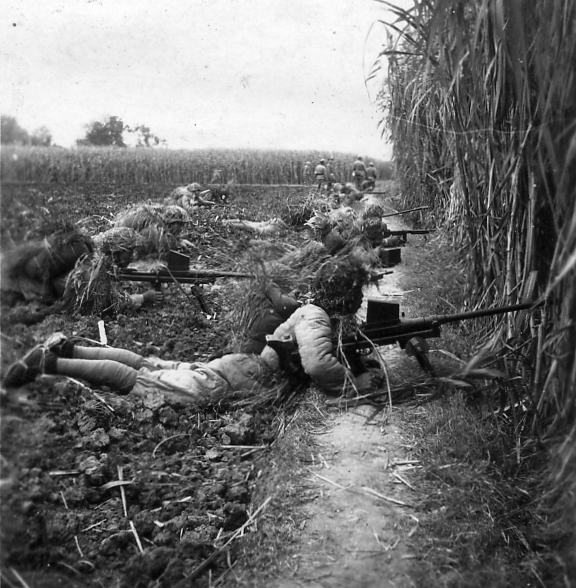
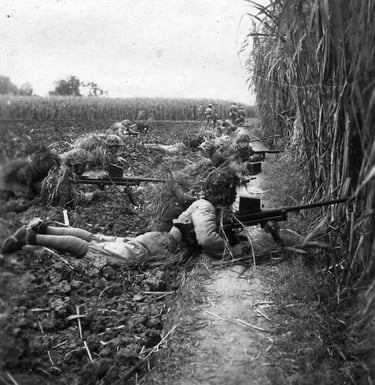
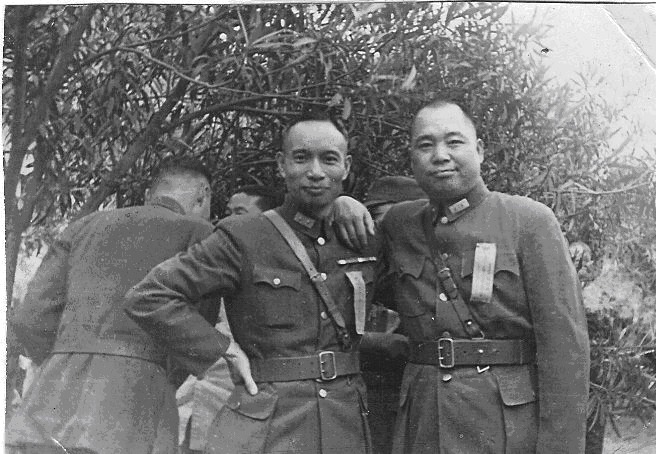
In a later battle, he was struck in the left knee by a bullet, shattering the bone.
Doctors initially advised amputation.
For a young officer with ambition, it was a devastating prospect. But through determined treatment,and the intervention of Liao Zhongkai, his leg was saved.
He would return to the battlefield.
And from that moment on, his path was set.
Chapter 3: Forged in War
(1933–1938)
If the Eastern Expedition marked Guan Linzheng’s first steps as a soldier, the War of Resistance against Japan was where his reputation was forged.
He once remarked:
“My life has been a life spent fighting the Japanese.”
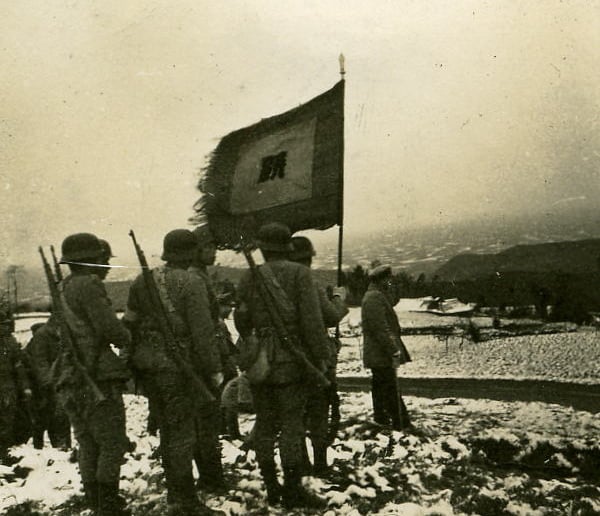
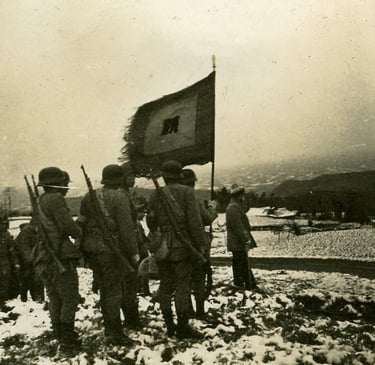
Gubeikou: Holding the Great Wall
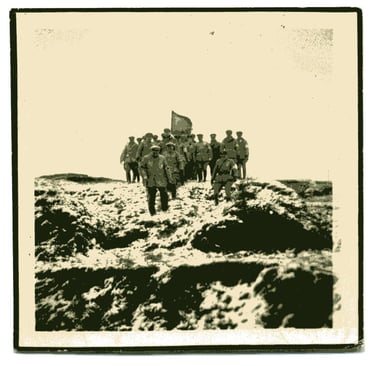
In the spring of 1933, Japanese forces advanced toward the Great Wall.
At the time, Guan Linzheng—then commander of the 25th Division— was ordered to hold position. But recognizing the urgency of the situation, he made a decisive choice.
He advanced without waiting for further orders and secured the defensive line at Gubeikou.
Taierzhuang: Strategy and Resolve
In 1938, the Battle of Taierzhuang became one of the most decisive engagements of the war.
Now serving as commander of the 52nd Corps, Guan Linzheng led his forces as a key part of the campaign.
Facing elite Japanese divisions, he demonstrated not only courage, but tactical ingenuity.
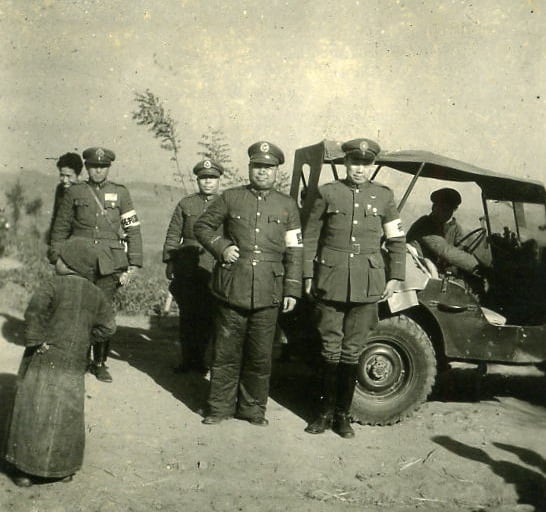
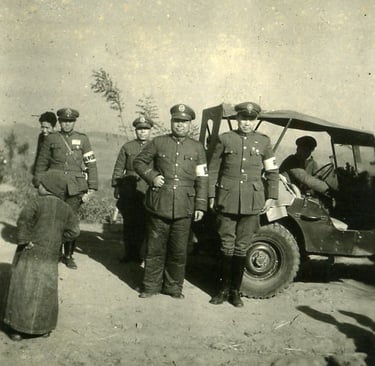
After three days of fighting, his forces inflicted heavy losses on the enemy.
For his actions, he was awarded the Order of Blue Sky and White Sun Medal, and came to be known as a commander of exceptional resolve.
It was from battles like this that his reputation as an “iron-willed general” began to take shape.
During one critical encounter, enemy forces launched a sudden attack on his command position. With only a few hundred guards remaining, the situation was dire.
Guan Linzheng remained composed. Using the tall sorghum fields as cover, he ordered his troops to spread out and fire intermittently, creating the illusion of a much larger force.
The deception slowed the enemy advance until reinforcements arrived. In the counterattack that followed, he employed flexible tactics: striking by night and pressing the enemy relentlessly.
His forces dealt significant damage to the opposing army. A Japanese commander is said to have remarked:
“One of Guan Linzheng’s corps is equal to ten of an ordinary Chinese army.”
An Enduring Reputation
After the battle, military observers in China held Guan Linzheng in high regard.
He was often mentioned alongside General Sun Lianzhong, one known for steadfast defense, the other for powerful offense.
Together, they were seen as embodying the strength and resilience of China’s wartime leadership.
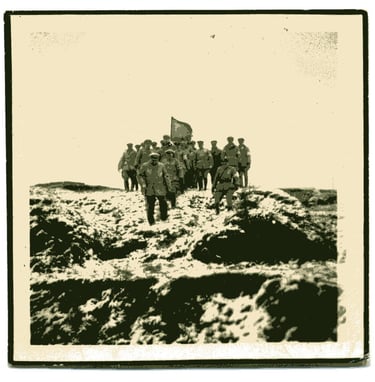
Biography
Chapter 4: Leadership and Integrity
(1939–1949)
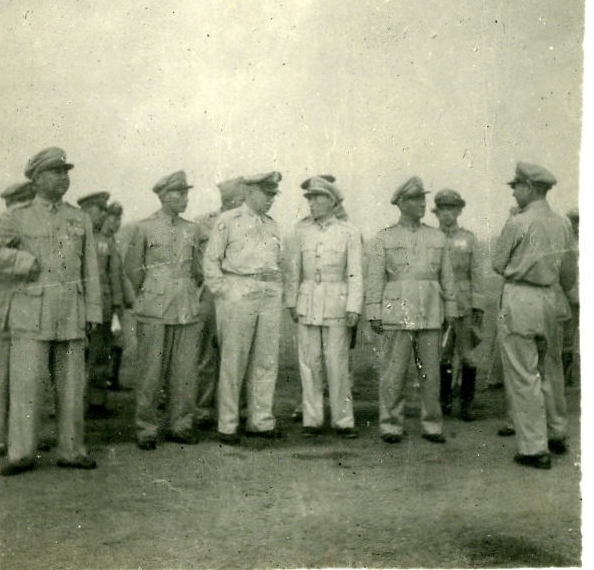
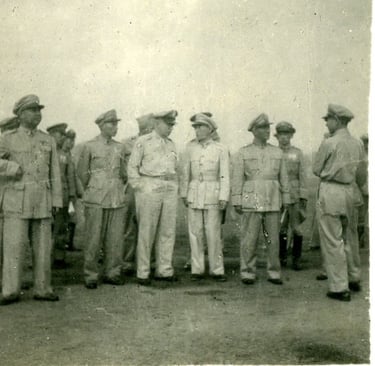
As the war progressed, Guan Linzheng’s abilities as a commander were recognized on a broader scale.
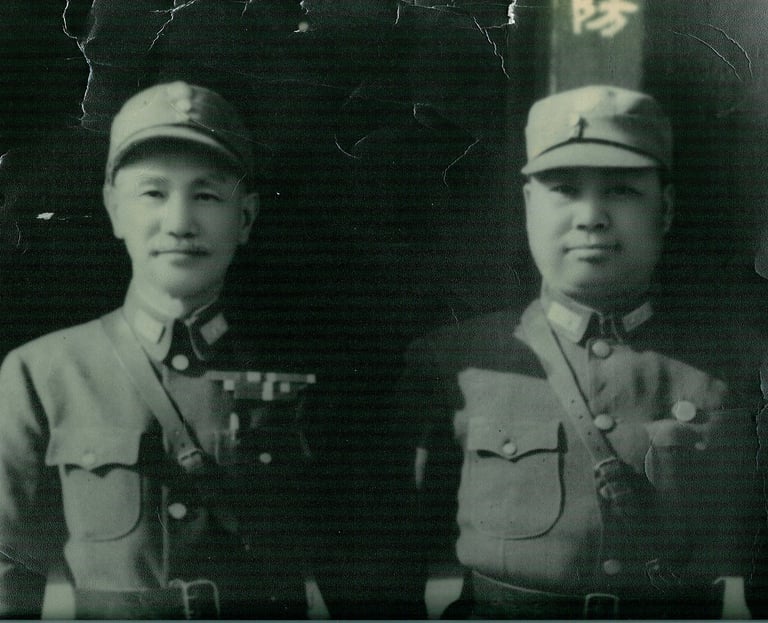
In 1939, at just thirty-four years old, he was appointed commander of the 15th Army Group, becoming one of the youngest officers to hold such responsibility.
The Changsha Campaigns
During the First Battle of Changsha, Guan Linzheng was stationed in northern Hunan. He advocated a strategy of phased resistance, drawing the enemy inward before shifting to counterattack.
This approach later became part of a broader operational doctrine used in the region.
Known for strict discipline and clear command, he maintained order even during large-scale strategic withdrawals.
Observers at the time noted the rare level of coordination and control demonstrated by his forces under pressure.
At the Military Academy
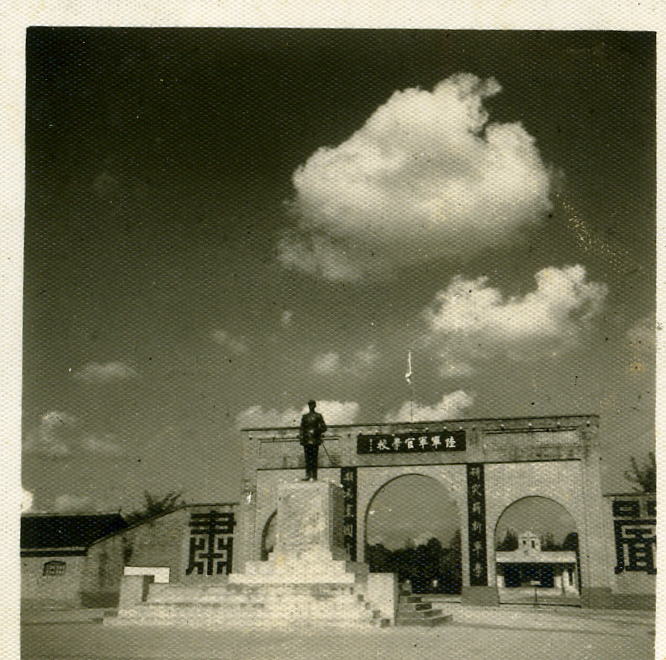
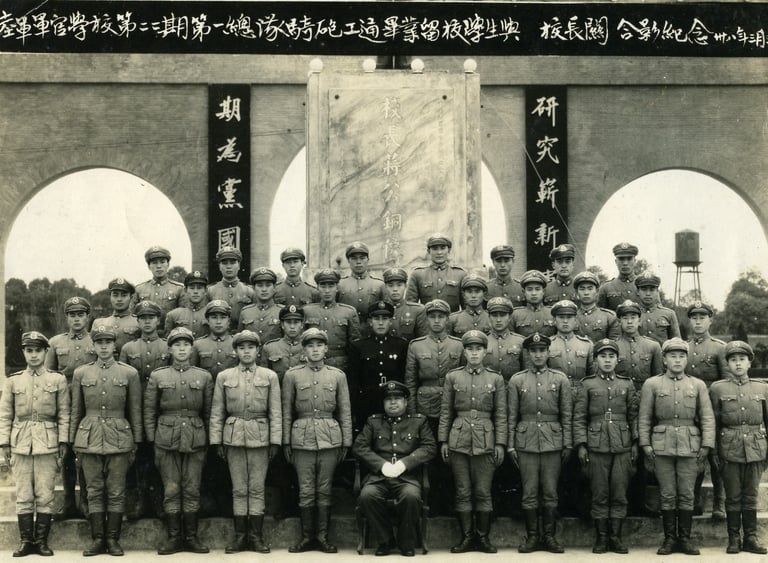
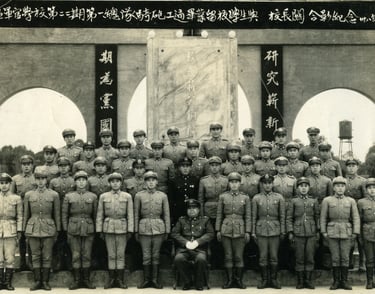
In 1947, Guan Linzheng returned to where his military journey had begun, the academy.
He was appointed principal of the military academy in Chengdu, becoming the first graduate of its early classes to assume this role.
For Guan Linzheng , this position held deep meaning.
He believed that training soldiers was not only about skill, but about character.
“To train soldiers is to train the mind.”
During his tenure, he introduced reforms that emphasized dignity and fairness:
Ending corporal punishment
Promoting mutual respect between officers and cadets
Establishing accountability within leadership
He also maintained a reputation for integrity: fair in appointments, disciplined in conduct, and transparent in administration.
To him, the future of the military depended not only on strength, but on principles.
A Man of Principle
Despite his achievements, Guan Linzheng remained a man of strong convictions.
He did not adapt easily to political maneuvering and was known for his direct and uncompromising character.
This independence, while admirable, gradually set him apart during a time of increasing political complexity.
Rather than compromise his principles, he chose a quieter path.
Chapter 5: A Quiet Life in Hong Kong
(1949–1978)
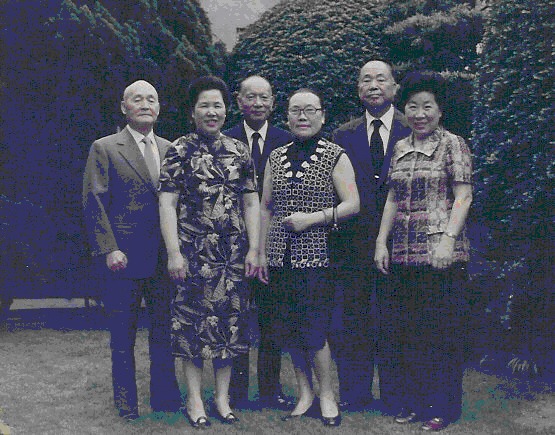
In 1949, as the course of history shifted, Guan Linzheng stepped away from military command and moved to Hong Kong with his family.
For a man who had once led hundreds of thousands of troops, this marked the beginning of an entirely different life.
Withdrawal from Public Life
In Hong Kong, Guan Linzheng chose a life of deliberate simplicity.
He avoided political involvement, declined public appearances, and rarely accepted interviews.
Even invitations from former colleagues and subordinates were often politely declined.
This silence was not indifference, but a reflection of his values.
To him, a soldier’s duty was to serve the nation. Once that duty had ended, it was time to return to an ordinary life.
He lived with discipline:
Rising early and resting early
Avoiding smoking, drinking, and gambling
Maintaining a steady, structured routine
A Life in Study and Calligraphy
In place of military affairs, he turned to study and reflection.
He immersed himself in classical Chinese texts, including works of history, philosophy, and strategy.
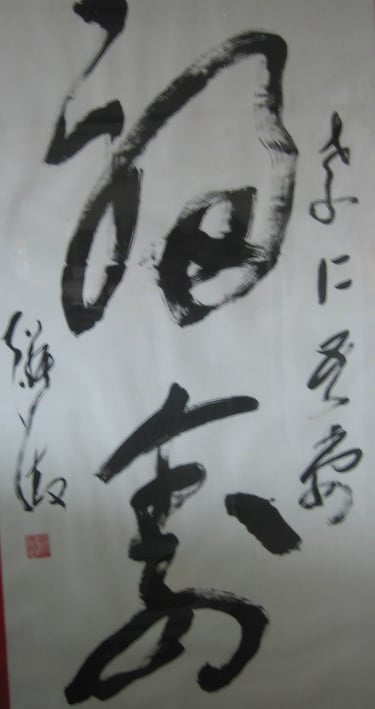
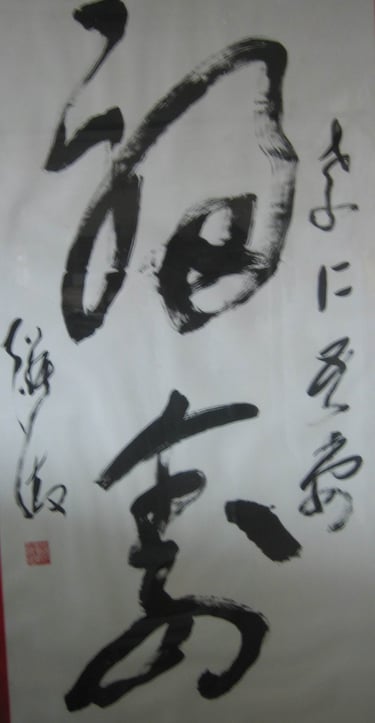
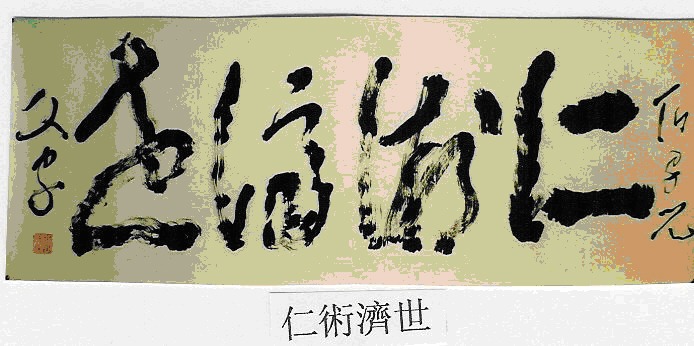
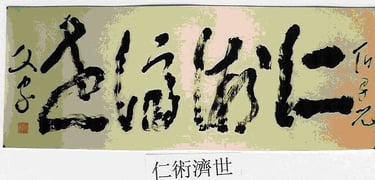
Calligraphy became his primary focus. He developed a deep appreciation for cursive script, studying the works of earlier masters and practicing with dedication over many years.
His writing—strong, fluid, and expressive— carried a quiet echo of the discipline and force that had once defined him on the battlefield.
Though his works were occasionally exhibited, he regarded them not as public achievements, but as a personal pursuit.
Chapter 6: A Lasting Bond with the Homeland
(1979–1980)
Though he lived far from the mainland in his later years, Guan Linzheng’s connection to his homeland never faded.
A Heart That Remained
In his final years, he followed developments in China with quiet attention.
News from his hometown brought him particular comfort, especially reports of rebuilding and progress.
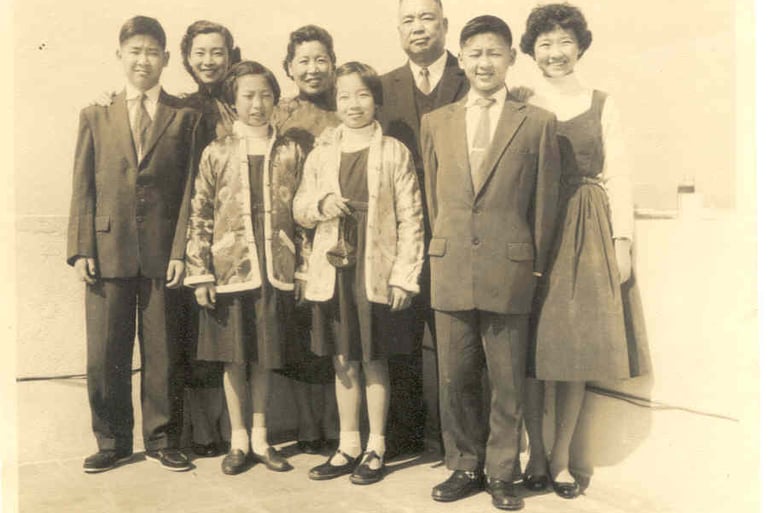
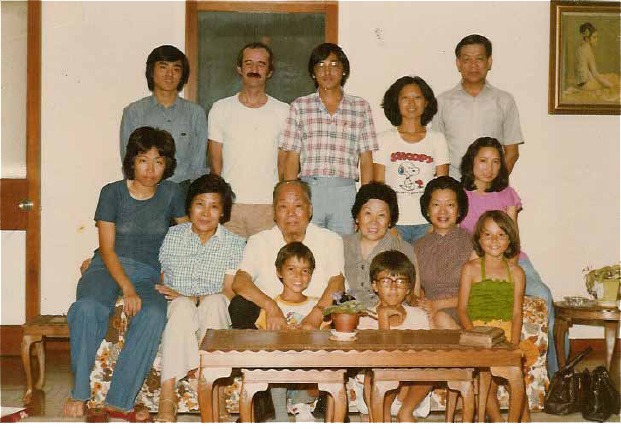
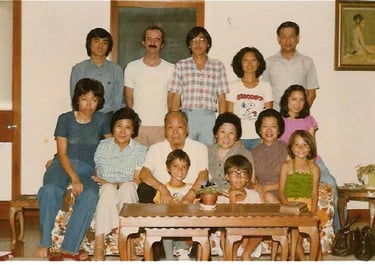
In 1979, a visit from his younger sister reconnected him directly with the place he had left behind decades earlier.
Through her, he learned of the changes taking place and listened with deep interest.
He spoke with hope about the country’s future and expressed a simple but heartfelt wish:
that the nation might one day be whole again.
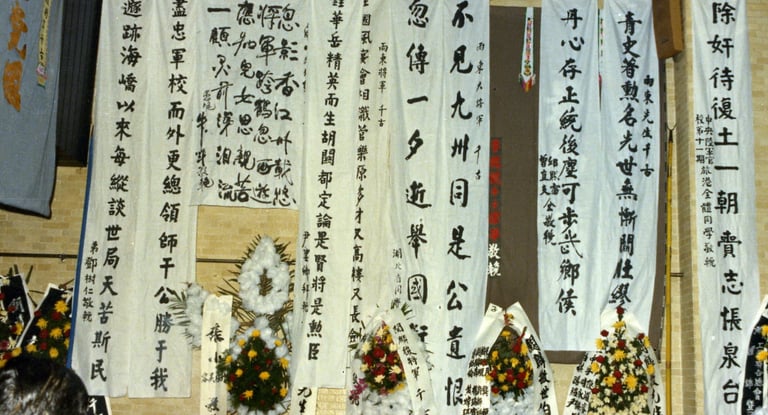
The Final Chapter
On July 30, 1980, Guan Linzheng was admitted to hospital in Hong Kong following a sudden illness.
During treatment, medical staff discovered the extent of the injuries he had carried throughout his life.
Scars marked his body, remnants of battles fought decades earlier.
They were silent testimony to a lifetime spent in service and conflict.
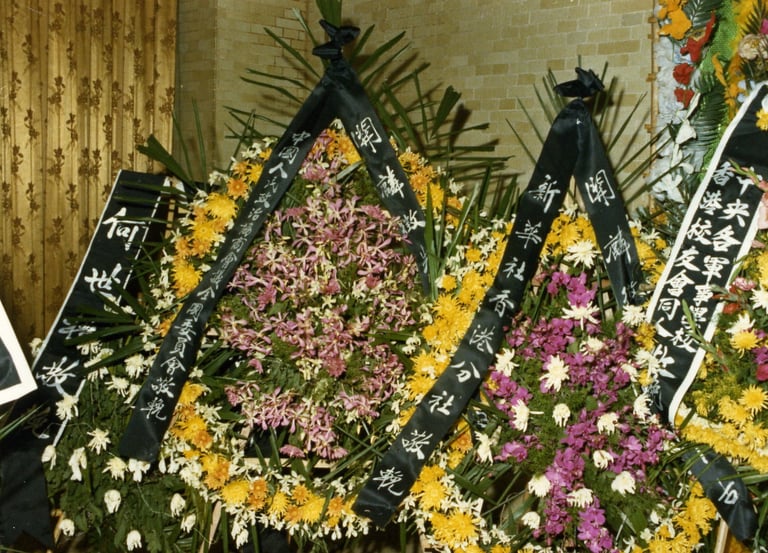
On August 1, 1980, Guan Linzheng passed away.
An Enduring Legacy
Guan Linzheng’s life spanned war and peace, command and retreat, public duty and private reflection.
He rose from the fields of Shaanxi
to become a central figure in one of the most turbulent periods of modern history.
What remains is not only the record of his achievements, but the character behind them:
steadfast in conflict
disciplined in conduct
and measured in retirement
His story endures as part of a larger history, one shaped by sacrifice, resilience, and conviction.
Family and Legacy
As a father, he emphasized independence and self-reliance.
He encouraged his children to develop their own paths and to contribute through their own efforts.
In this, he found a different kind of fulfillment, one removed from rank and recognition.
© Guanlin Zheng Memorial – Family Managed
Contact
This website is the official platform managed by the family.
For all inquiries, please contact:
generalguanlinzheng@gmail.com